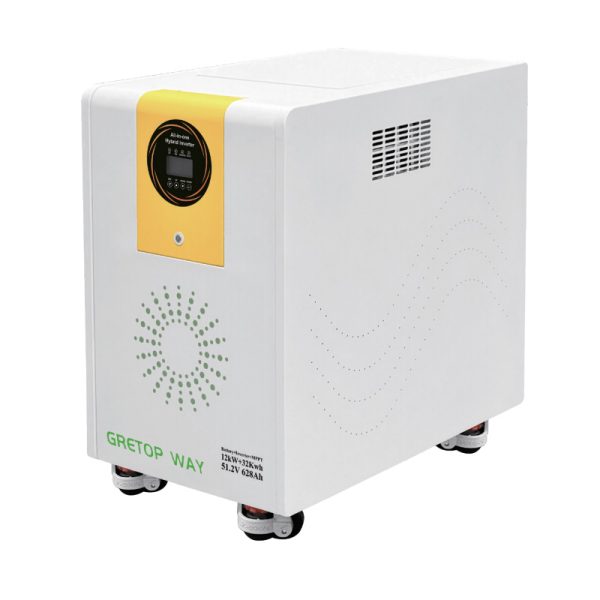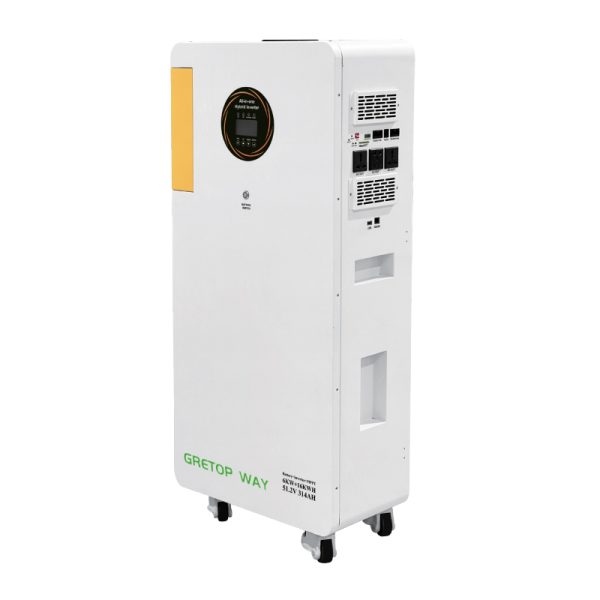
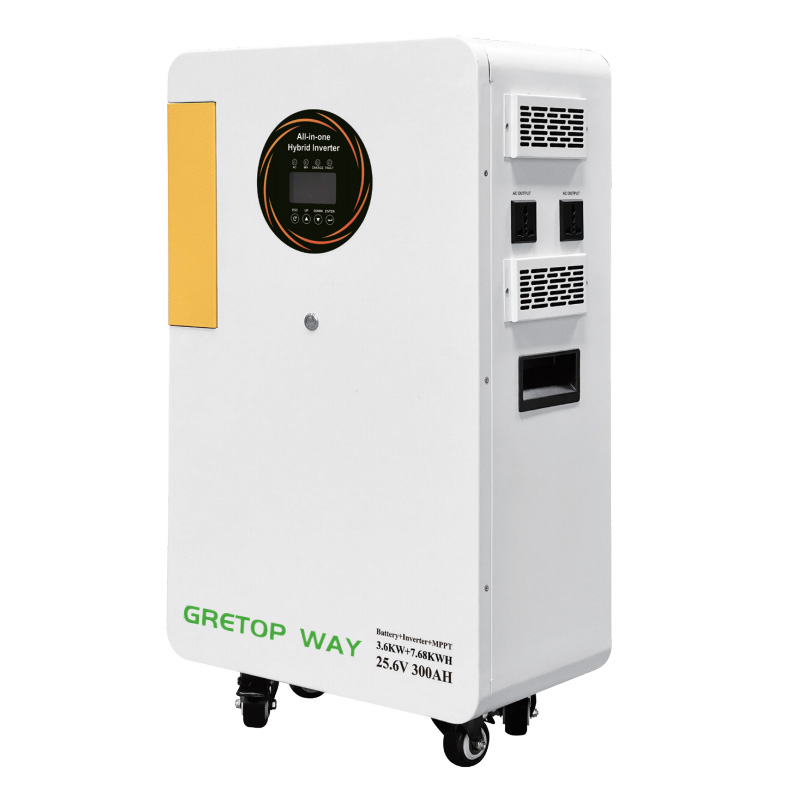
Descrição
Test Instrumentation & Device Characteristics
The accuracy of the voltage measuring instrument should not be lower than level 0.5, and the internal resistance should not be less than 10k Ω/V; The accuracy of the current measuring instrument should not be lower than level 0.5; The accuracy of the instrument used for measuring time shall not be less than ± 0.1%; The temperature measuring instrument should not be lower than ± 1 ℃; The voltage output and detection accuracy of the battery charge and discharge tester shall not be less than ± 0.5%; The current output and detection accuracy shall not be less than ± 0.1%;
Safety Performance Requirements
| Item | Test Method | Require |
|---|---|---|
| Short Circuit | After being fully charged using the standard charging method at 25 °C, short-circuit the positive and negative terminals of the battery pack’s discharge port with wires (wire resistance 80 ± 20m Ω) for 1 hour. | The battery pack should not leak, ignite, or explode. |
| OverCharge | After charging with the standard charging method at 25 °C, set the constant current source to 1.25 times the nominal voltage and 0.11 (A). | |
| Discharge | Discharge the battery pack to the termination voltage or battery pack protection, and then continue discharging for 5 hours at 0.11 (A). | |
| Constant Damp Heat Test | After charging using the standard charging method at 25 °C, place it in a constant temperature and humidity chamber at (40 ± 2) °C and relative humidity of 90-95% for 48 hours; After 7 hours of storage, visually inspect. | Visually inspect the appearance and ensure that there is no leakage, smoke, fire, or explosion. |
| High and low temperature impact | After charging using the standard charging method at 25 °C, place the battery pack in an environment with a temperature of 75 °C ± 2 °C for 6 hours, then move it to an environment with a temperature of -40 °C for 6 hours. The time interval between moving from the highest temperature to the lowest temperature should not exceed 3 minutes. Repeat the above steps, after 10 cycles, remove and let it sit for 24 hours, and visually inspect. |
Component Description

Dimensions

Parameters
| Inverter Parameters | INV 3600 | |
| Power | 3.6KVA/3.6KW | |
| Maximum photovoltaic input power | 5KW | |
| Two AC outputs | Yes | |
| Maximum one-way AC output power | 3.6KVA / 3.6KW | |
| Maximum two-channel AC output power | 3.6KVA / 3.6KW | |
| Maximum AC total output power | 3.6KVA / 3.6KW | |
| Parallel machine function | NO | |
| Lithium-ion communication | NO | |
| Lithium battery activation | Yes (photovoltaic or mains) | |
| Input | ||
| Rated voltage | 230VAC | |
| Voltage range | 170-280VAC (computer application); 90-280VAC (household appliances) | |
| Frequency | 50 / 60 Hz (automatic detection) | |
| Output | ||
| Rated voltage | 220/230VAC±5% | |
| Instantaneous power | 5400VA | |
| Frequency | 50/60 Hz | |
| Output waveform | Pure sine wave | |
| Switching time | 10ms (computer application); 20ms (household appliances) | |
| Peak efficiency (PV to INV) | 96% | |
| Peak power (Battery to INV) | 93% | |
| Overpower protection | 5s@ >= 140% load; 10s@100%~140% load | |
| Peak coefficient | 3:1 | |
| Power factor | 0.6~1 (capacitive or inductive) | |
| Gird connection mod | Parallel | |
| PV Charging & AC Charging | ||
| Charge mode | MPPT | |
| Maximum photovoltaic input power | 5000W | |
| Maximum photovoltaic open circuit voltage | 500VDC | |
| MPPT voltage range | 40VDC~450VDC | |
| Maximum photovoltaic input current | 18A | |
| Maximum photovoltaic charging current | 100A | |
| Maximum mains charging current | 100A | |
| Maximum charging current | 100A | |
| Battery Parameters | BAT 256300 | Remarks |
| Nominal Capacity | 300AH | 0.5C charging, 1C discharging, 25 °C |
| Rated Voltage | 25.6V | 8S |
| Discharge Cut-off Voltage | 22V | |
| Charging Cut-off Voltage | 26.6V | |
| Float charging voltage | 27V | |
| Continuous charging maximum current | 100A | |
| Maximum current for continuous discharge | 150A | |
| Battery Energy | 7680Wh | |
| Rated Output Power | 3600W | |
| Communication Interface | NO | |
| Discharge working temperature | -15°C ~ 50°C | |
| Charging working temperature | 0°C ~ 50°C | |
| General | ||
| Relative Humidity | 5 ~ 90% | |
| Altitude | ≤4000m | |
| Protection Grade | IP21 | |
| Storage Time | Keep charging at least once every 3 months | |
| Number of cycles | 6000 times, DOD≥90%; 10000 times, DOD≥80%; 75% DOD 25℃ | |
| Main Parameters For BMS | ||
| Overcharge Protection | ||
| Overcharge detection voltage | Monomer 3.65 ± 0.05V | |
| Overcharge protection delay | 0.5S | |
| Over Discharge Protection | ||
| Overdischarge detection voltage | Monomer 2.7 ± 0.05V | |
| Overdischarge detection delay | 0.5S | |
| Overcurrent Protection | ||
| Greater than rated current | 1.1% | |
| Overcurrent Recovery | / (Disconnect Load) | |
| Self Consumption Power | ||
| Working Current | ≤10mA | |
| Sleep Current | ≤50uA | |
| Physical Property | ||
| Product Size, length x width x height (mm) | 740*400*240 | |
| Package Size, length x width x height (mm) | 765*465*400 | |
| Net Weight (Kgs) | 65.75 | |
| Gross Weight (Kgs) | 77.75 | |
| LCD | Yes | |
| Application Environment | ||
| Operating temperature range | -10℃ to 55℃ | |
| Storage temperature range | -15℃~ 60℃ | |
| Humidity | 5% to 95% relative humidity (no frost) |
Product Appearance Requirements
The edge sealing tape of the battery pack must be neatly applied and free of bubbles;
The position of the anti vibration sponge attached to the outside of the battery pack is regular and neat;
Clean appearance of battery pack;
Packing, Shipping & Storage Requirements
Product outer packaging box packaging requirements:
comply with the requirements of the product packaging schematic diagram.
Product transportation requirements:
- During transportation, batteries should be protected from severe vibration, impact, or compression, as well as exposure to sunlight and rain. They can be transported by vehicles such as cars, trains, ships, and airplanes;
- During the loading and unloading process, batteries should be placed gently to prevent falling, rolling, and heavy pressure.
Product storage requirements:
- The battery should be stored indoors in a clean, dry, and ventilated environment with an ambient temperature of -10 ℃ to 35 ℃ and a relative humidity of no more than 85%;
- The battery should be kept away from corrosive substances and kept away from sources of fire and heat;
- Battery storage SOC: 40% to 60%.